Kashmir Solidarity Council Urges Pakistan to Take 11 Steps to Restore Peace in AJK

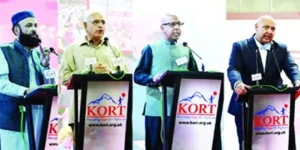
ISLAMABAD: The Kashmir Solidarity Council, following a worldwide Zoom meeting, has urged the Government of Pakistan to take immediate and concrete measures to restore peace and rebuild public trust in Pakistani-administered Kashmir.
The council demanded the immediate restoration of internet and social media services and an end to restrictions affecting food supplies to Azad Kashmir. It also called for the unconditional release of all arrested Kashmiris and banned Joint Awami Action Committee (JAAC) leaders, including Shaukat Nawaz Mir, as a goodwill gesture.
The council further proposed the formation of a temporary and neutral administration comprising credible and impartial personalities, suggesting retired Justice Manzoor Gillani as one possible figure. It demanded that the recently held elections be declared invalid and that fresh elections be conducted under a new, impartial election commission.
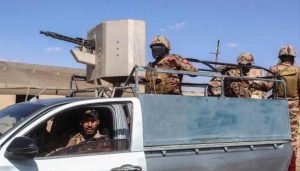
Other demands include the withdrawal of Punjab Police and Pakistan Rangers from Azad Kashmir, with the local police and administration entrusted with maintaining law and order; the return of deceased persons’ bodies to their families; and the withdrawal of all official notifications and orders issued after June 5 that contributed to the escalation of tensions.
The council also called for fair and timely compensation to the families of those killed, reaffirmation and implementation of the agreement previously reached between the government and JAAC, and a public apology from the Government of Pakistan to the people of Kashmir over the loss of lives and breach of public trust.
It also demanded the establishment of a judicial commission to conduct a free, fair and transparent investigation into the deaths and violence in Azad Kashmir and determine responsibility.
Javed Rathore said these steps were necessary to win back the hearts and minds of Kashmiris and restore their confidence in the state of Pakistan. He said recent events had deeply shaken the trust of people on both sides of the Line of Control.
Rathore said Kashmiris had historically viewed Pakistan as their supporter and protector, but recent incidents had seriously damaged that perception. He alleged that Pakistan’s credibility, built over decades, had suffered internationally, while inflammatory statements by some government leaders were further aggravating the situation.
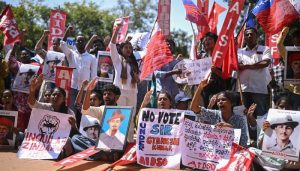
He maintained that the people of Azad Kashmir would not surrender their right to peaceful protest and said that, despite the loss of many lives, protesters had demonstrated courage and restraint by remaining unarmed and urging others to continue peaceful resistance.
Rathore accused the government of violating constitutional rights by preventing people from exercising their right to peaceful protest.
He warned that continued repression and failure to address public grievances could push the situation toward a dangerous new phase. He cautioned that prolonged unrest could create conditions similar to, or even more serious than, those witnessed in Balochistan, citing Azad Kashmir’s long border with India and the potential for external actors to exploit growing discontent.
He urged the Government of Pakistan to abandon confrontation, show empathy and immediately pursue political dialogue, reconciliation and constitutional measures to prevent further bloodshed and restore stability in Azad Kashmir.