Pakistan, Turkiye, Oman, Egypt hold behind-the-scenes talks with Iranian officials: report
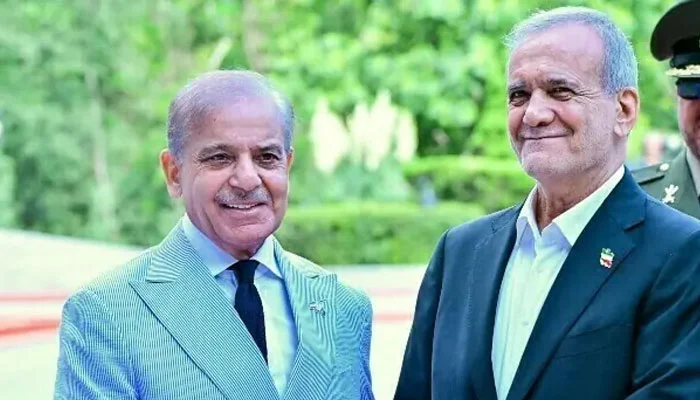
Senior officials from Oman, Egypt, Pakistan, and Turkiye are holding behind-the-scenes talks with senior Iranian officials in an attempt to initiate dialogue with the Trump administration towards a deal, or even a ceasefire, a person familiar with the matter told The Jerusalem Post on Thursday.
Officials from the four countries are trying to persuade the Iranians to begin discussions with the Americans. So far, Iran has refused to enter talks on an agreement, the source said, adding that it is maintaining a hardline position and presenting initial demands as part of any potential deal between Tehran and Washington.
Iran’s conditions for any agreement include “recognition of Iran’s legitimate rights, payment of compensation, and significant international guarantees against future aggression,” Iranian President Masoud Pezeshkian wrote yesterday on X/Twitter, following a conversation with Russian President Vladimir Putin.
Iran’s Deputy Foreign Minister Majid Takht-Ravanchi said on Thursday that Tehran Iran wants to ensure that a war will not be imposed on it again in the future. “We want to see that war is not going to be imposed again on Iran,” said Takht-Ravanchi in an interview with AFP in Tehran.
“When the war started last June, after 12 days there was so called cessation of hostilities… but after eight or nine months, they regrouped and they did it again,” he said, referring to the US and Israel.
“We do not want to be treated like this again in the future.” He said, “We are acting in self defence. We continue to act in self defence as long as necessary.”
Meanwhile, up to 3.2 million people have been displaced inside Iran since the Middle East war erupted, the United Nations refugee agency said Thursday.“Between 600,000 and one million Iranian households are now temporarily displaced inside Iran as a result of the ongoing conflict, according to preliminary assessments,” said Ayaki Ito, who heads UNHCR´s emergency support team and is the refugee response coordinator for the Middle East emergency.
That represents “up to 3.2 million people”, he said in a statement, warning that “this figure is likely to continue rising as hostilities persist, marking a worrying escalation in humanitarian needs”.