Naqvi holds High-Level Talks in Tehran as Pakistan, Iran unite against Terrorism
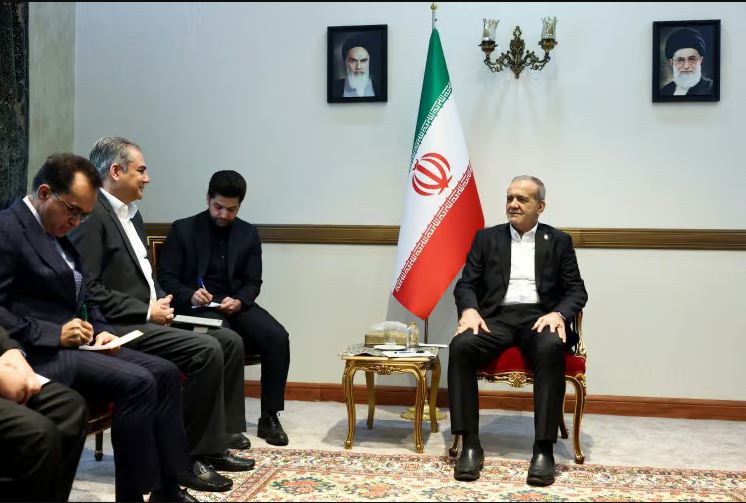
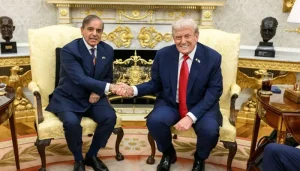
TEHRAN – Interior Minister of Pakistan Mohsin Naqvi hailed Pakistan and Iran as “partners in peace and stability” during a high-profile meeting with Iranian President Masoud Pezeshkian.
Both sides agreed effective crackdown on terrorism and smuggling. Naqvi’s visit comes at a tense moment, as Pakistan faces heightened security threats along its borders with both Iran and Afghanistan. During Tehran talks, the security czar conveyed PM Shehbaz Sharif’s “message of goodwill” and emphasized Pakistan’s commitment to regional stability.
Iranian President responded by offering a “fraternal role” to help ease tensions with Kabul and highlighting Iran’s “special importance” placed on relations with Pakistan.
The meeting also delved into ongoing security concerns along the Pakistan-Afghanistan border. October witnessed escalating hostilities, starting with an attack on Pakistan from Afghan soil on October 11, following Taliban allegations of Pakistani airstrikes, accusations Islamabad neither confirmed nor denied. Islamabad has repeatedly demanded that the Taliban stop terror groups from operating from Afghan territory, a claim consistently denied by Kabul. Despite intelligence-based operations against militants, cross-border violence continues, including targeted strikes against the Gul Bahadur group in Afghanistan.
Efforts for peace have seen temporary success: talks in Doha produced a short-lived ceasefire, followed by negotiations in Istanbul mediated by Turkey and Qatar. However, Pakistan’s official Tarar announced that the latest round “failed to bring any workable solution,” reaffirming Islamabad’s vow to protect its citizens from terrorism.
Interior Minister also held high-level discussions with Iran’s Supreme National Security Council Secretary Ali Ardeshir Larijani and Interior Minister Eskandar Momeni. The meetings focused on counterterrorism, anti-narcotics measures, and tighter border management. Both sides stressed the need for institutional collaboration to tackle shared threats.