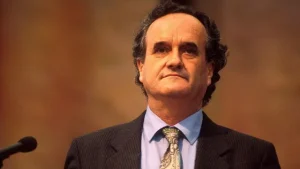
Pakistani judges no longer allowed to interact with media, comment on political matters
ISLAMABAD – Supreme Judicial Council clamped down on judges’ freedom to speak, barring them from interacting with the media or making any public remarks on political issues.
The major shake-up came after high-level meeting chaired by Chief Justice of Pakistan Yahya Afridi at Supreme Court in Islamabad. Justices Syed Mansoor Ali Shah and Munib Akhtar joined via video link, while Lahore High Court Chief Justice Aalia Neelum and Islamabad High Court Chief Justice Sardar Muhammad Sarfraz Dogar attended in person.
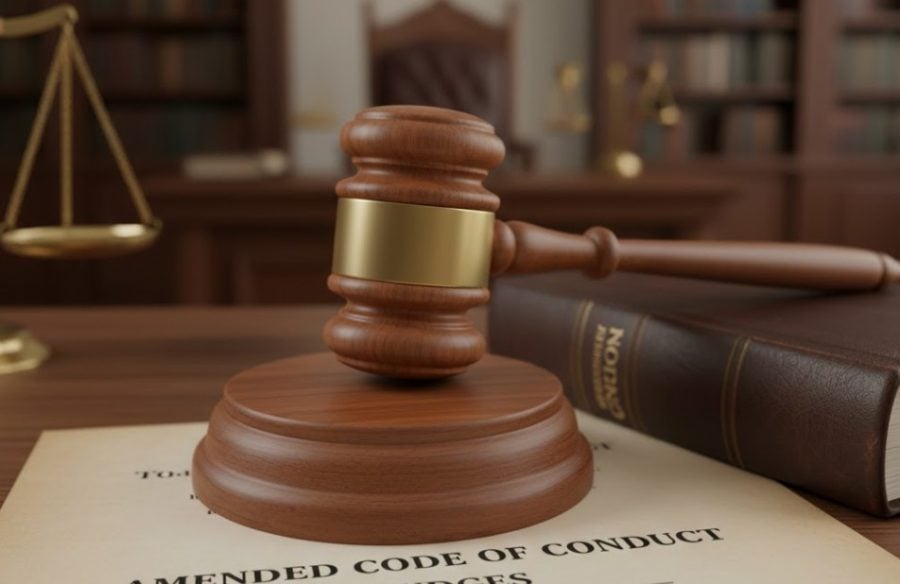
According to amended code of conduct, judges are now explicitly forbidden from getting involved in any public debate “by way of speech, writing, or comment”, particularly on political matters, even when these involve questions of law. The new rule also bars them from any media engagement that could “spark public controversy” or “harm judicial discipline.”
This marks a dramatic reversal of reforms introduced under former Chief Justice Qazi Faez Isa, who had allowed judges to respond publicly to allegations.
Under the new Article 15, judges facing accusations or pressure can no longer defend themselves publicly. Instead, they must send a written response to a powerful five-member committee, Chief Justice of Pakistan and the four senior-most Supreme Court judges through the Supreme Court Registrar.
The new guidelines stress that judges must act solely on merit, resist all forms of pressure, and report any attempts to influence them directly to the top judicial leadership. If a timely response isn’t received, the Chief Justice and senior judges will take up the matter themselves, signaling tighter institutional control over judicial accountability.
But that’s not all, Article 13 adds another layer of restriction. Judges are now banned from soliciting foreign invitations to conferences or events. Any such offers must go through the respective chief justice for approval. Independent acceptance will now be treated as judicial misconduct.
Legal observers say the move is designed to restore discipline and neutrality within the judiciary but critics are calling it a “gag order” that could stifle transparency and silence judicial voices.
The SJC also reviewed 67 complaints under Article 209 of the Constitution. Sixty-five were dismissed unanimously, one was deferred, and one was approved for further processing.
The reconstituted council examined seven additional cases, dismissing five and moving two forward. After Saturday’s session, 87 complaints remain pending, with 155 cases handled since October 2024.